
Decarbonizing Structural Concrete: Practical Material Strategies in Tropical Environments
Dr. O. Omonitan
Lead Materials & Systems Specialist
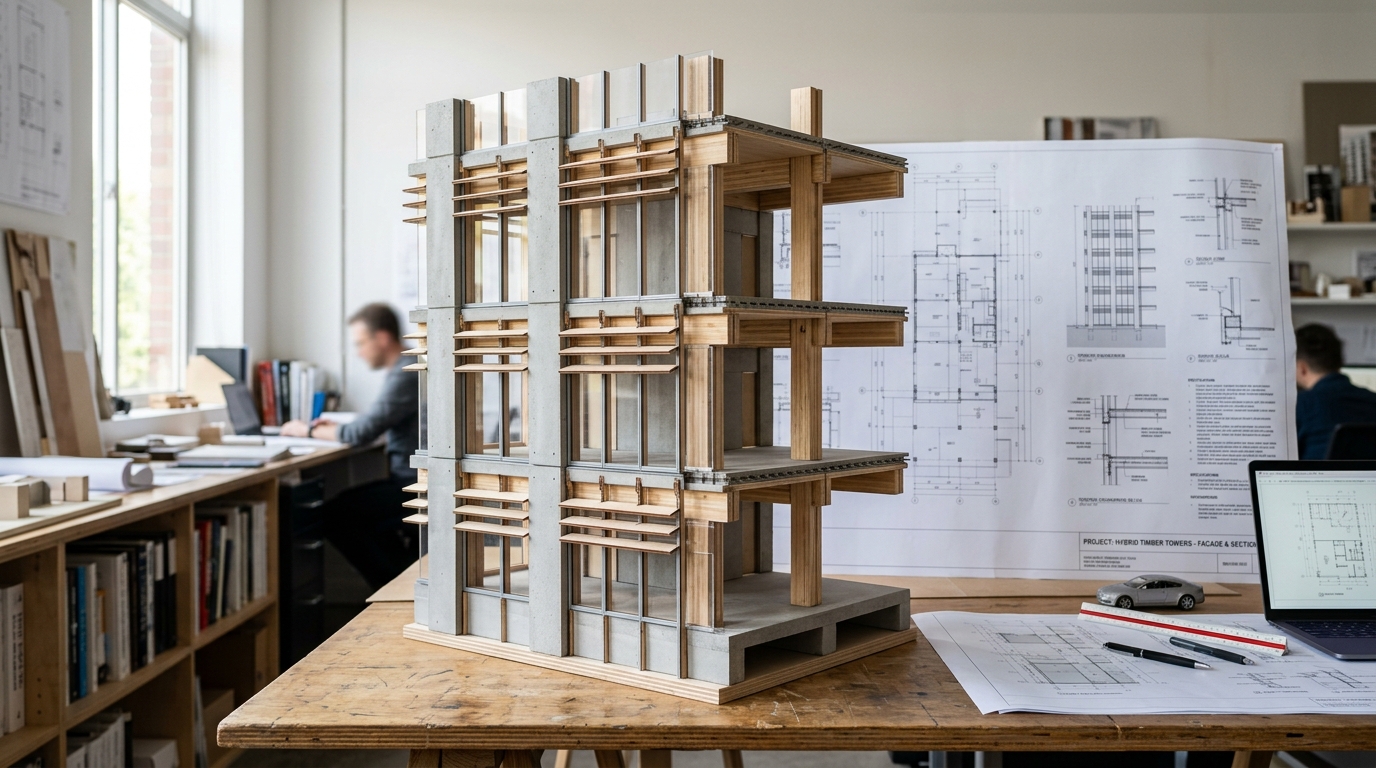
Balancing structural durability and embodied carbon reduction requires specialized mix designs, pozzolanic cement replacements, and stringent quality governance.
Concrete remains the primary structural material underpinning Africa’s built environment. However, as global decarbonization mandates and regional sustainability commitments accelerate, engineering firms must pioneer practical, locally viable low-carbon alternatives.
In hot and humid climates, supplementary cementitious materials (SCMs)—including ground granulated blast-furnace slag (GGBS) and calcined clays—not only decrease embodied carbon by up to 35%, but also mitigate thermal cracking during mass concrete pours and enhance resistance against sulfate and chloride attacks.
Through rigorous structural optimization and material testing, MO&A guides developers and public authorities in achieving leaner, high-performing structural sections without compromising strength, safety, or longevity.
Related Insights & Foresight
Morgan Omonitan & Abe Ltd Formally Transitions to MO&A Ltd
Honoring over 50 years of pioneering engineering excellence, Morgan Omonitan & Abe Ltd announces its formal corporate evolution to MO&A Ltd, reflecting multidisciplinary consulting and regional expansion.
The Future of High-Density Urban Infrastructure in West Africa
Rapid urbanization across Lagos, Accra, and regional hubs demands forward-thinking structural engineering that anticipates climate resilience, flexible density, and long-term asset value.
Great projects start with a conversation.
Let’s find the right structural solution for your next ambition.